Flight price per month
Per person in euros: cheapest direct return flight for 2 to 4 nights. Select a month for flight times, hotels and things to do.
Discover Manchester
City guide
About Manchester
Manchester anchors northwestern England as the historic cradle of the Industrial Revolution. The city has transformed its industrial legacy into a cultural powerhouse, globally renowned for legendary music movements, architectural reinvention, and world-class football.
Between soaring red-brick textile mills, cast-iron canal viaducts, and contemporary glass skyscrapers, Manchester pulses with unpretentious northern character. From the neo-Gothic grandeur of John Rylands Library to the global cathedrals of football at Old Trafford and the Etihad Stadium, the city blends heritage with creative energy.
- Best time to go
- May through September provides the most pleasant visiting conditions, with comfortable highs between 17 and 21°C and long summer daylight. Manchester's maritime climate brings frequent rain, so carrying a lightweight waterproof jacket is sensible year-round. Autumn and winter bring lively football energy and legendary live music nights.
- From the airport
- Manchester Airport (MAN) is situated 14 kilometres south of the city centre. Frequent direct trains from Northern and TransPennine Express depart from the airport railway station, reaching Manchester Piccadilly or Victoria in just 15 to 20 minutes. Taxis cost between 30 and 40 pounds.
- Getting around
- Central Manchester is compact and very walkable. Free Bus circular shuttle routes (lines 1 and 2) link major railway stations and shopping districts at no cost. The modern Metrolink tram network connects the city center directly with Salford Quays, Old Trafford, and outer boroughs.
What to see in Manchester
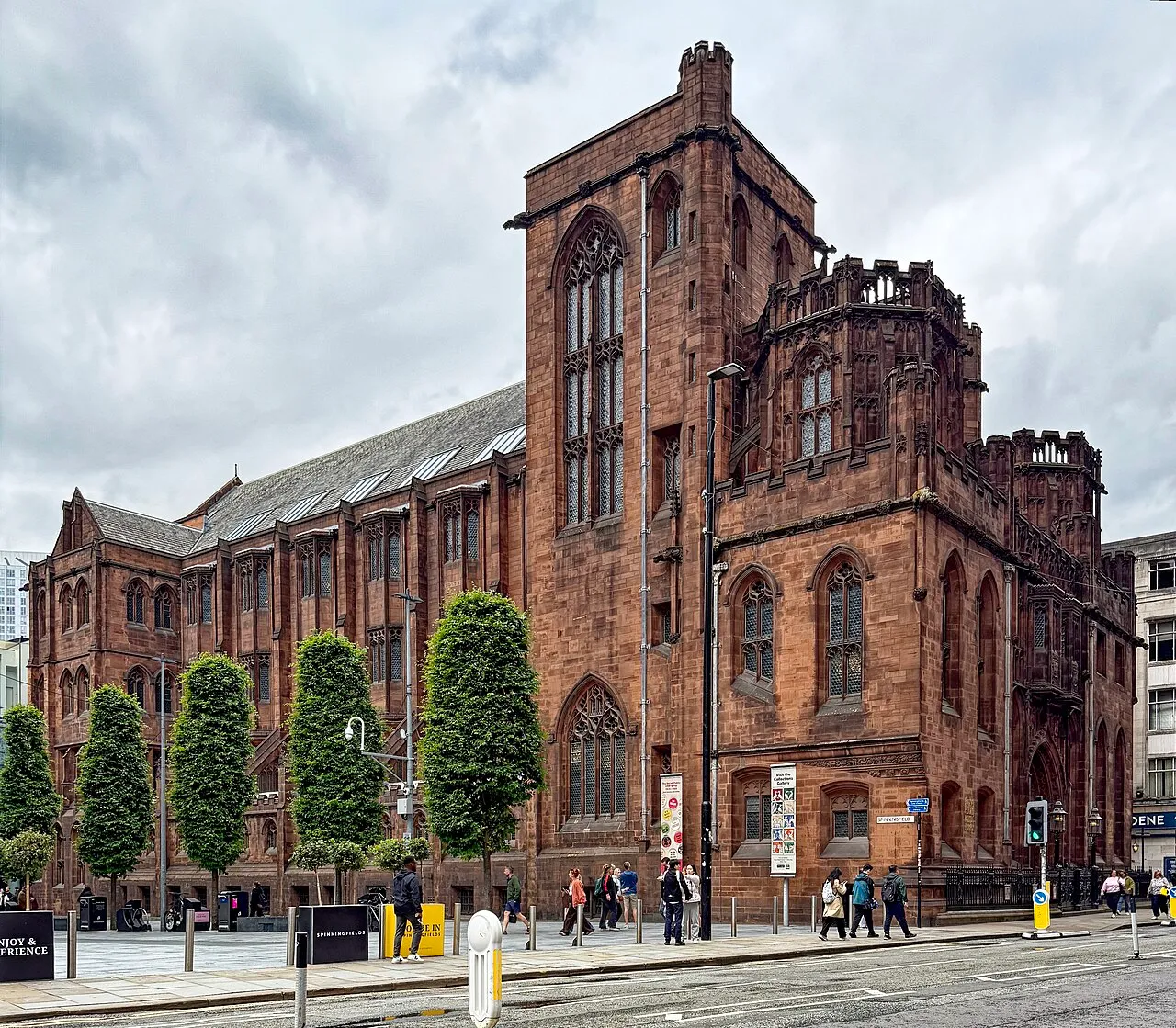
- John Rylands Research Institute and LibraryA masterpiece of Victorian Gothic architecture on Deansgate resembling a cathedral, housing rare medieval illuminated manuscripts and a vaulted historic reading room.
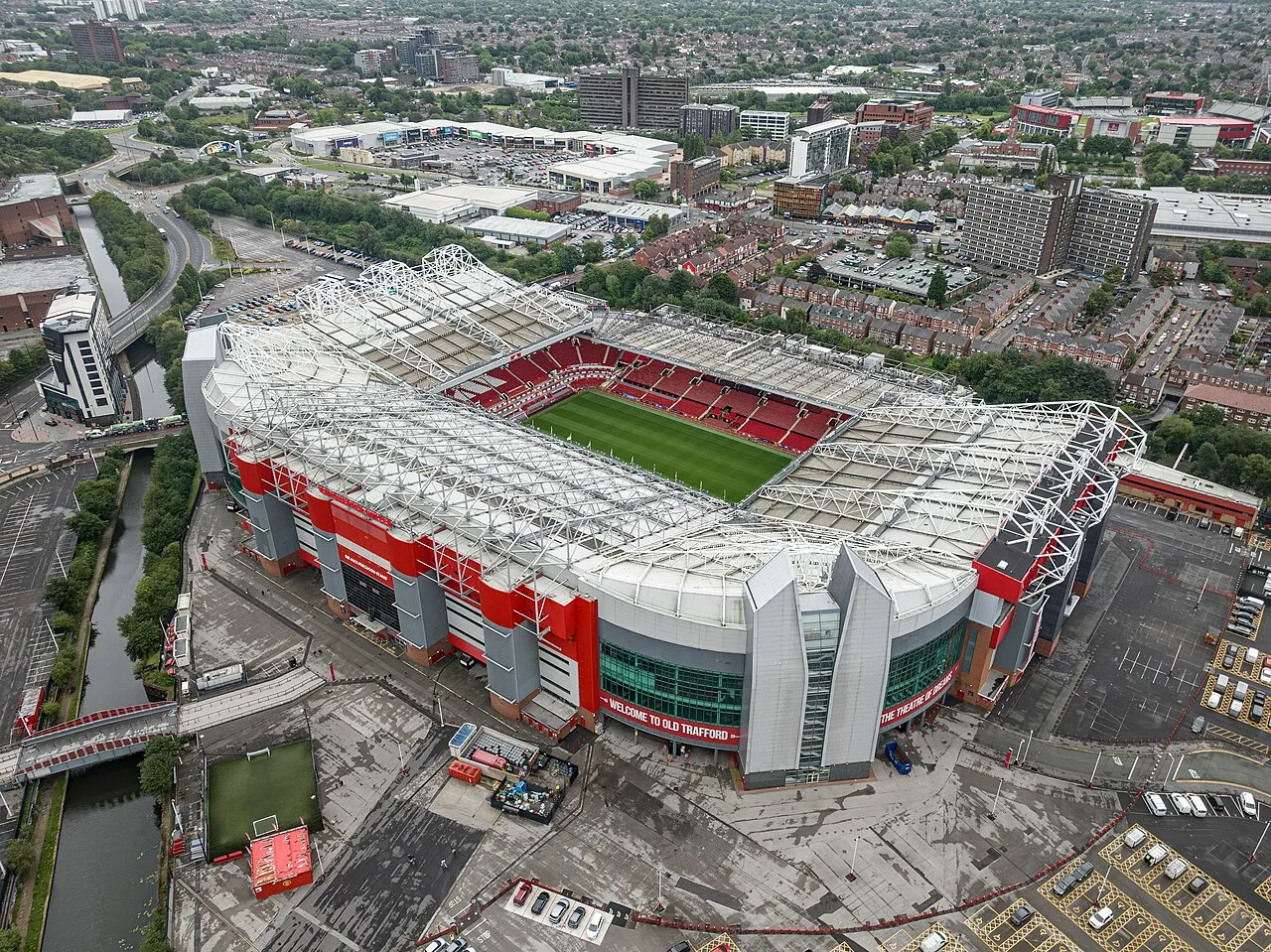
- Old Trafford and National Football MuseumManchester United's historic 'Theatre of Dreams' stadium, alongside the interactive multi-level national museum in the city center celebrating the global game.
- Science and Industry MuseumLocated on the site of the world's oldest surviving passenger railway terminus in Castlefield, featuring working steam engines, cotton looms, and vintage aircraft.
- Castlefield Urban Heritage ParkThe historic hub of Roman forts, peaceful canal basins, and Victorian railway viaducts, now a relaxed waterside area of open-air pub terraces.
Neighbourhoods
- Northern QuarterThe creative bohemian heart of the city, packed with vintage emporiums in Afflecks palace, record shops, street murals, and specialty coffee houses.
- AncoatsA revitalized historic mill district centered on Cutting Room Square, widely acclaimed as one of the UK's leading culinary and independent dining quarters.
- Salford QuaysThe contemporary waterfront development on the Manchester Ship Canal, home to MediaCityUK, the Lowry arts complex, and the Imperial War Museum North.
Food and drink
Taste a traditional Manchester Tart: a crisp shortcrust pastry filled with raspberry jam, rich custard, and toasted coconut flakes. Savor award-winning sourdough pizza in Ancoats, enjoy a proper Sunday Roast in a historic public house, and explore the celebrated 'Curry Mile' in Rusholme for an unmatched variety of South Asian cuisine.
Questions about Manchester
How do you travel to Manchester's football stadiums?
The Metrolink tram takes you directly from downtown Piccadilly to Old Trafford (Old Trafford stop) or to Manchester City's ground (Etihad Campus stop) in roughly 10 to 15 minutes.
What makes Manchester's music scene so famous?
Manchester produced influential bands including The Smiths, Joy Division, New Order, The Stone Roses, and Oasis. Legendary music venues like Albert Hall and Band on the Wall host live gigs nightly.
Month by month breakdown
- januaryflight €36 · 7°C · 16 rain days€36
- februaryflight €35 · 9°C · 13 rain days€35
- marchflight €37 · 11°C · 17 rain days€37
- aprilflight €48 · 14°C · 15 rain days€48
- mayflight €51 · 18°C · 12 rain days€51
- juneflight €63 · 20°C · 14 rain days€63
- julyflight €75 · 20°C · 21 rain days€75
- augustflight €85 · 20°C · 16 rain days€85
- septemberflight €61 · 18°C · 18 rain days€61
- octoberflight €43 · 14°C · 17 rain days€43
- novemberflight €35 · 10°C · 16 rain days€35
- decemberflight €56 · 9°C · 19 rain days€56
Fotocredits (3)
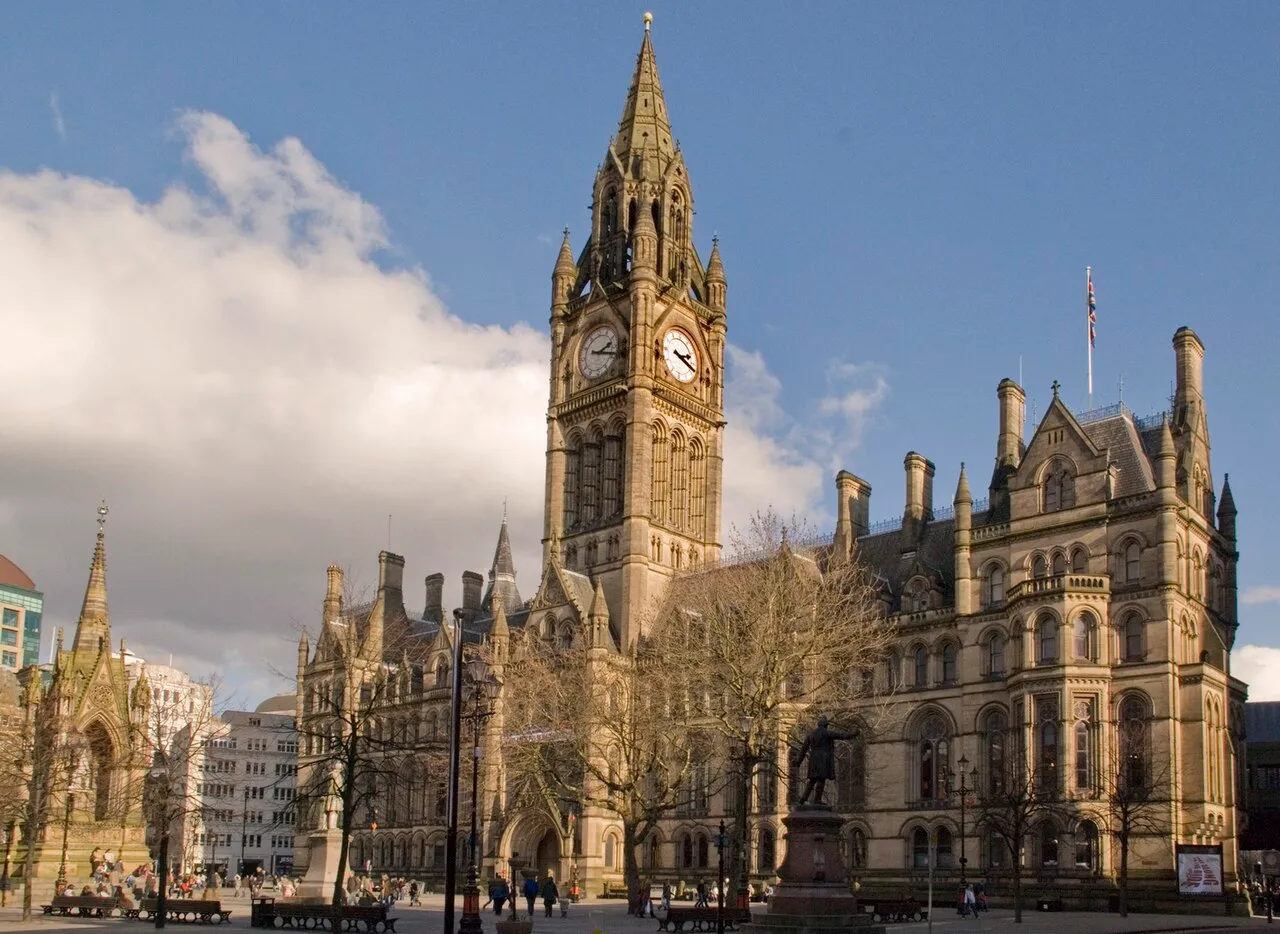
- Manchester Town Hall door Mark Andrew., CC BY 2.0, via Wikimedia Commons
- Old Trafford door Arne Müseler from Salzburg, AT, CC BY-SA 2.0, via Wikimedia Commons
- John Rylands Library door Burkhard Mücke, CC BY-SA 4.0, via Wikimedia Commons