Flight price per month
Per person in euros: cheapest direct return flight for 2 to 4 nights. Select a month for flight times, hotels and things to do.
Discover Lanzarote
City guide
About Lanzarote
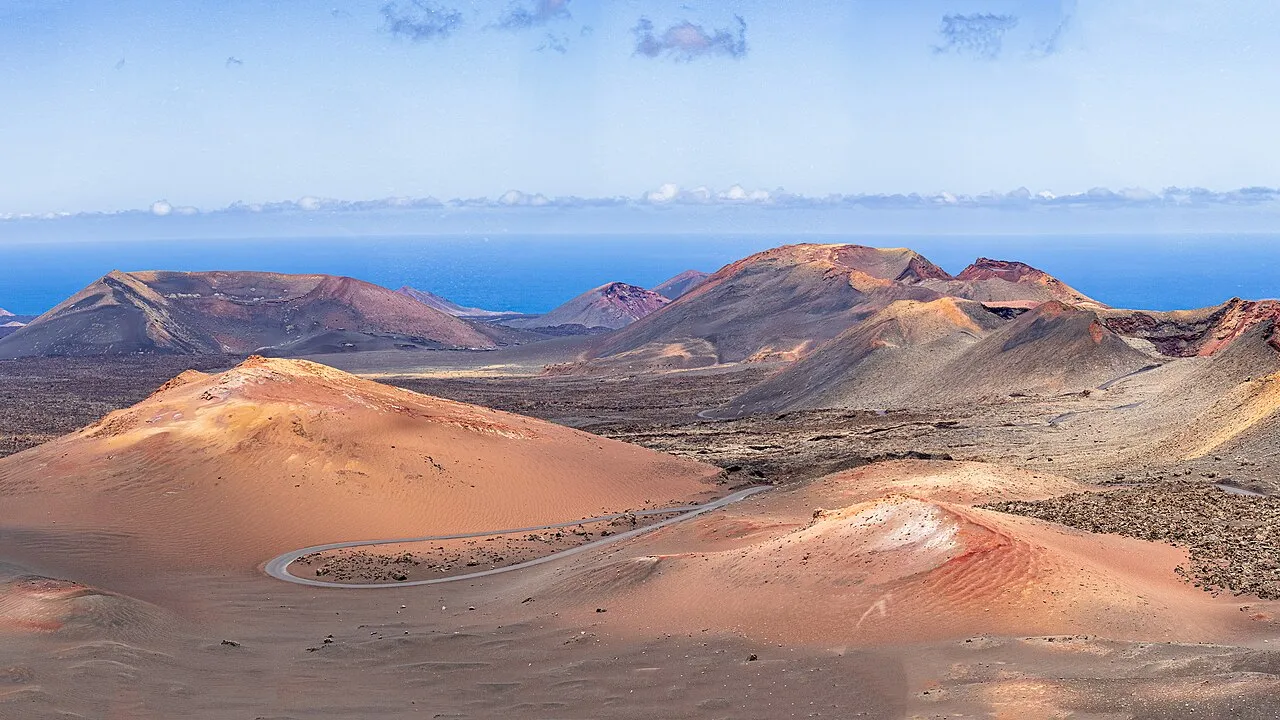
Lanzarote is the most surreal and otherworldly of the Canary Islands, anchored in the Atlantic Ocean off the coast of northwest Africa. The island was dramatically re-sculpted in the eighteenth century by cataclysmic volcanic eruptions that entombed a quarter of its terrain beneath a petrified sea of black basalt, cinder cones, and dark volcanic ash (picón).
What elevates Lanzarote into a world-class destination is the seamless synthesis of art and volcanic nature pioneered by visionary native artist César Manrique. His environmental foresight banned high-rise hotels and roadside billboards, preserving villages of dazzling whitewashed cottages accented with green and blue woodwork. From Timanfaya's moonscape to the golden waters of Papagayo, Lanzarote feels like another planet.
- Best time to go
- Lanzarote boasts an enviable subtropical desert climate with year-round warmth: more than three hundred days of sunshine annually and temperatures consistently averaging between 21 and 29 degrees Celsius. Spring (March to June) and autumn (September to November) offer optimal conditions for sightseeing and coastal hikes.
- From the airport
- César Manrique-Lanzarote Airport (ACE) is located five kilometers southwest of the capital, Arrecife. IntercityBus lines 22 and 23 connect arrivals to Arrecife in about 15 minutes. Routes 161 and 261 run directly from the airport to Puerto del Carmen and Playa Blanca. A licensed taxi to Puerto del Carmen costs 15 to 20 euros; to Playa Blanca roughly 45 to 50 euros.
- Getting around
- Car rental is very affordable on Lanzarote and easily the most rewarding way to explore the island's far-flung volcanic valleys and coastal hideaways. Road networks are impeccably paved and easy to navigate. Alternatively, the local IntercityBus network links primary towns, and guided excursions serve Timanfaya National Park and the Manrique attractions.
What to see in Lanzarote
- Timanfaya National Park (Fire Mountains)A martian wilderness of active geothermal heat and silent craters; witness dry brush burst into flame and taste chicken slow-grilled directly over an open volcanic vent at El Diablo restaurant.
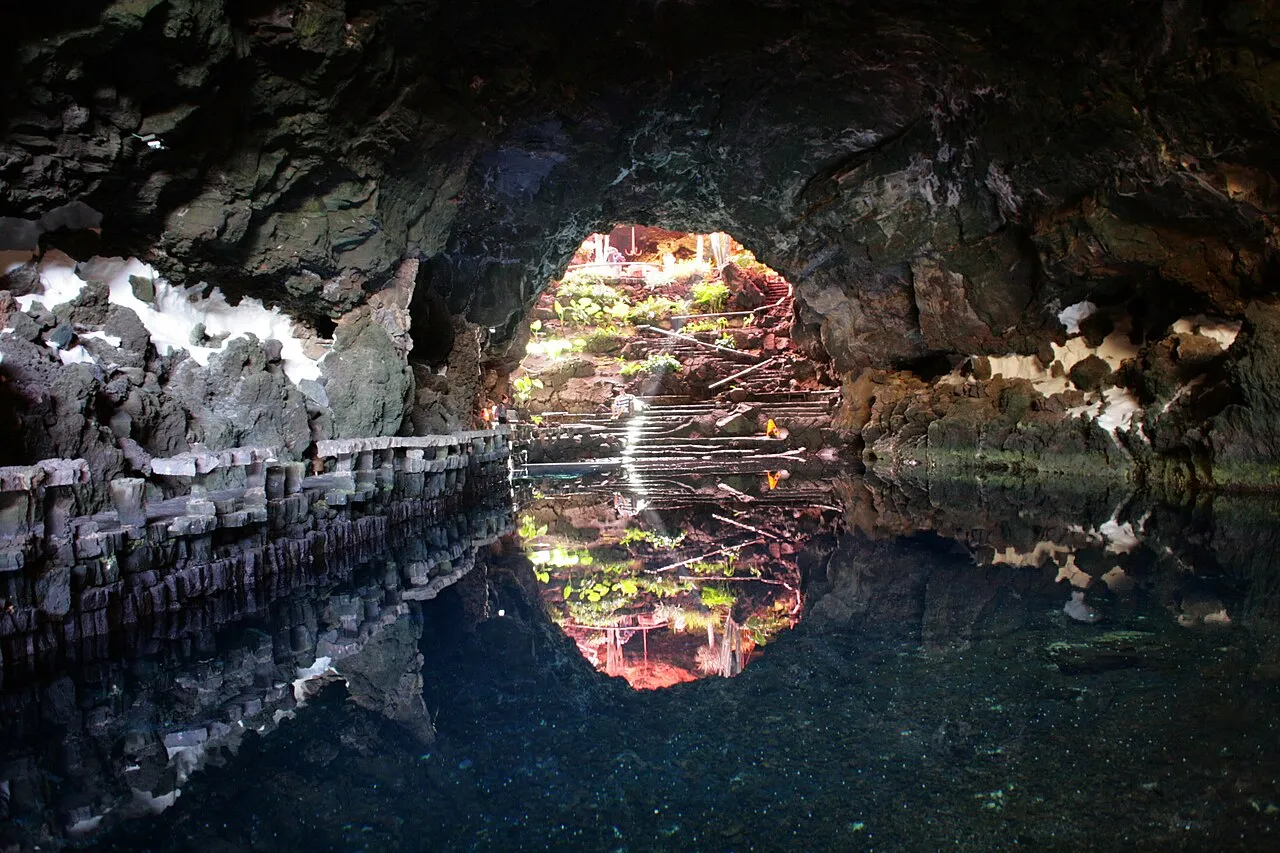
- Jameos del Agua and Cueva de los VerdesA breathtaking volcanic lava tube created by the Corona Volcano, transformed by César Manrique into an underground subterranean lake harboring rare blind albino crabs, a concert hall, and a tranquil oasis.
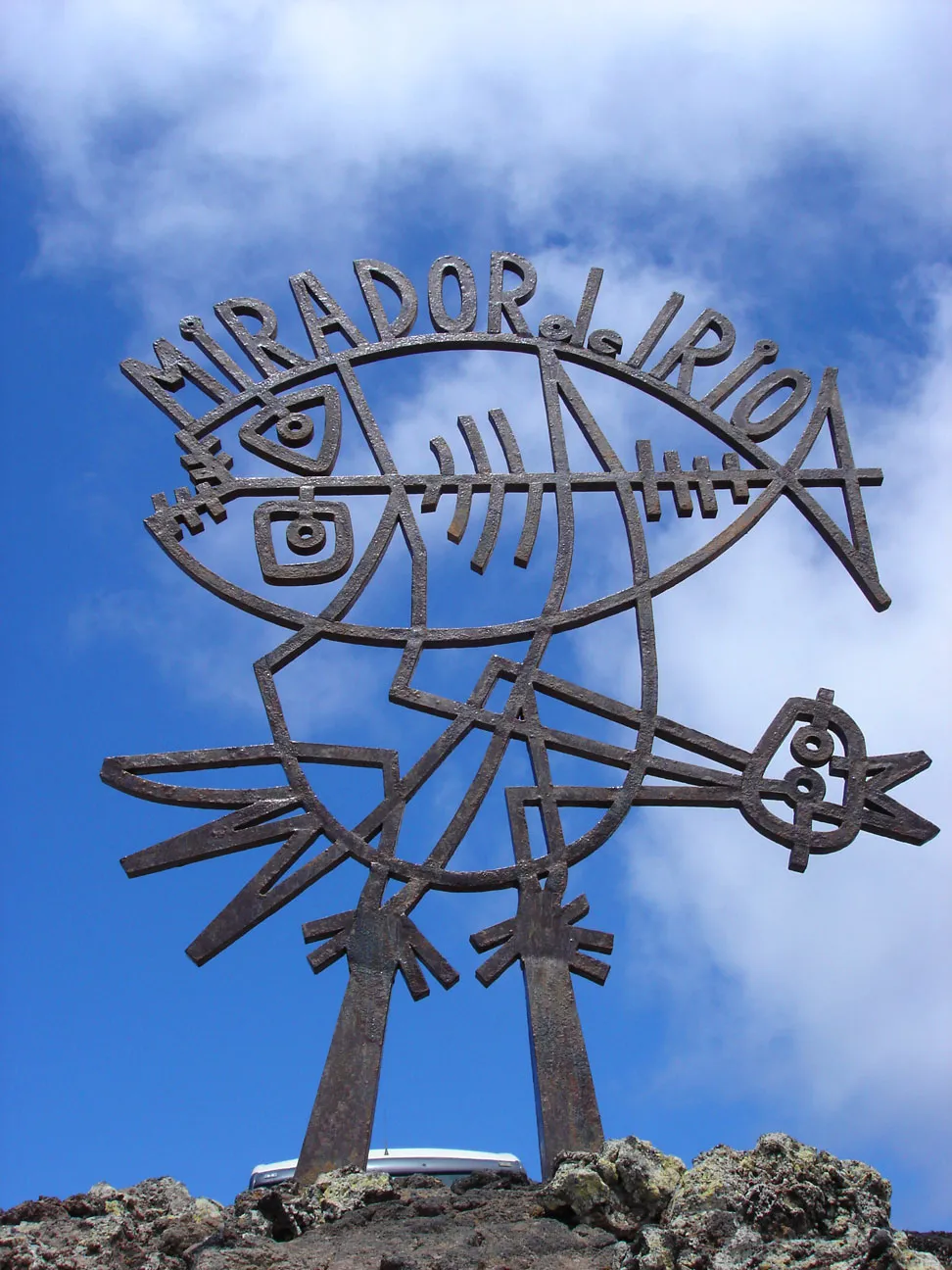
- Mirador del RíoA masterpiece of camouflage architecture integrated into a 400-meter-high cliff face at the island's northern tip, framing sweeping panoramic views over the ocean to the island of La Graciosa.
- Papagayo Beaches (Playas de Papagayo)A chain of pristine golden sand coves and clear turquoise waters sheltered between volcanic headlands within the protected Los Ajaches Natural Monument.
Neighbourhoods
- Arrecife and Charco de San GinésThe island's working maritime capital, centered around a charming saltwater inlet filled with colorful fishing boats, historic coastal fortresses, and lively waterfront tapas bars.
- TeguiseThe former inland colonial capital featuring cobbled alleys, whitewashed mansions, courtyards, and the Canaries' largest Sunday open-air artisan and flea market.
- Playa BlancaA relaxed southern resort town featuring a pedestrian seafront promenade, views across the channel to Fuerteventura, the chic Marina Rubicón, and access to Papagayo.
Food and drink
Canarian cuisine is deeply rooted in island soil and sea. Savor papas arrugadas con mojo (small native potatoes boiled in sea salt until wrinkled, served with spicy red pepper mojo picón and zesty green coriander mojo verde). Feast on grilled cherne (wreckfish), limpets (lapas) sizzling with garlic, and goat stew. Sample the crisp, mineral-laden volcanic Malvasía white wines of La Geria, cultivated in deep stone-walled conical pits carved directly into black volcanic lapilli.
Questions about Lanzarote
Can you tour Timanfaya National Park in your own rental car?
You can drive your rental car to the Islote de Hilario visitor center; from there, the forty-minute official Volcano Route coach tour through the heart of the lava fields is included with your admission ticket.
How do you visit the neighboring island of La Graciosa?
Passenger catamarans depart every 30 minutes from the northern port of Órzola, reaching the sandy, car-free streets of Caleta de Sebo on La Graciosa in just 25 minutes.
Month by month breakdown
- januaryflight €85 · 21°C · 3 rain days€85
- februaryflight €102 · 20°C · 6 rain days€102
- marchflight €109 · 21°C · 9 rain days€109
- aprilflight €142 · 22°C · 6 rain days€142
- mayflight €153 · 22°C · 6 rain days€153
- juneflight €188 · 23°C · 8 rain days€188
- julyflight €219 · 25°C · 4 rain days€219
- augustflight €196 · 26°C · 3 rain days€196
- septemberflight €137 · 25°C · 6 rain days€137
- octoberflight €127 · 26°C · 6 rain days€127
- novemberflight €111 · 24°C · 4 rain days€111
- decemberflight €143 · 21°C · 4 rain days€143
Fotocredits (3)
- Timanfaya National Park door MiljenkoSuljic, CC BY-SA 4.0, via Wikimedia Commons
- Jameos del Agua door Frank Vincentz, CC BY-SA 3.0, via Wikimedia Commons
- Mirador del Río door Original uploader was Christian Freiherr von der Rop at en.wikipedia, Public domain, via Wikimedia Commons